
Where it ends
It identifies whoever enters. It does not decide what they may do inside each product, which is the competence of each product.
01
Identifying is not authorising
Updated
Calaa ID establishes that whoever enters is who they claim to be. What they may do once inside is determined by each product, under its own rules.
The two decisions are taken in different places and for different reasons. A valid identity is not a permission, and a withdrawn permission does not affect the identity.
02
Governing the account
Updated
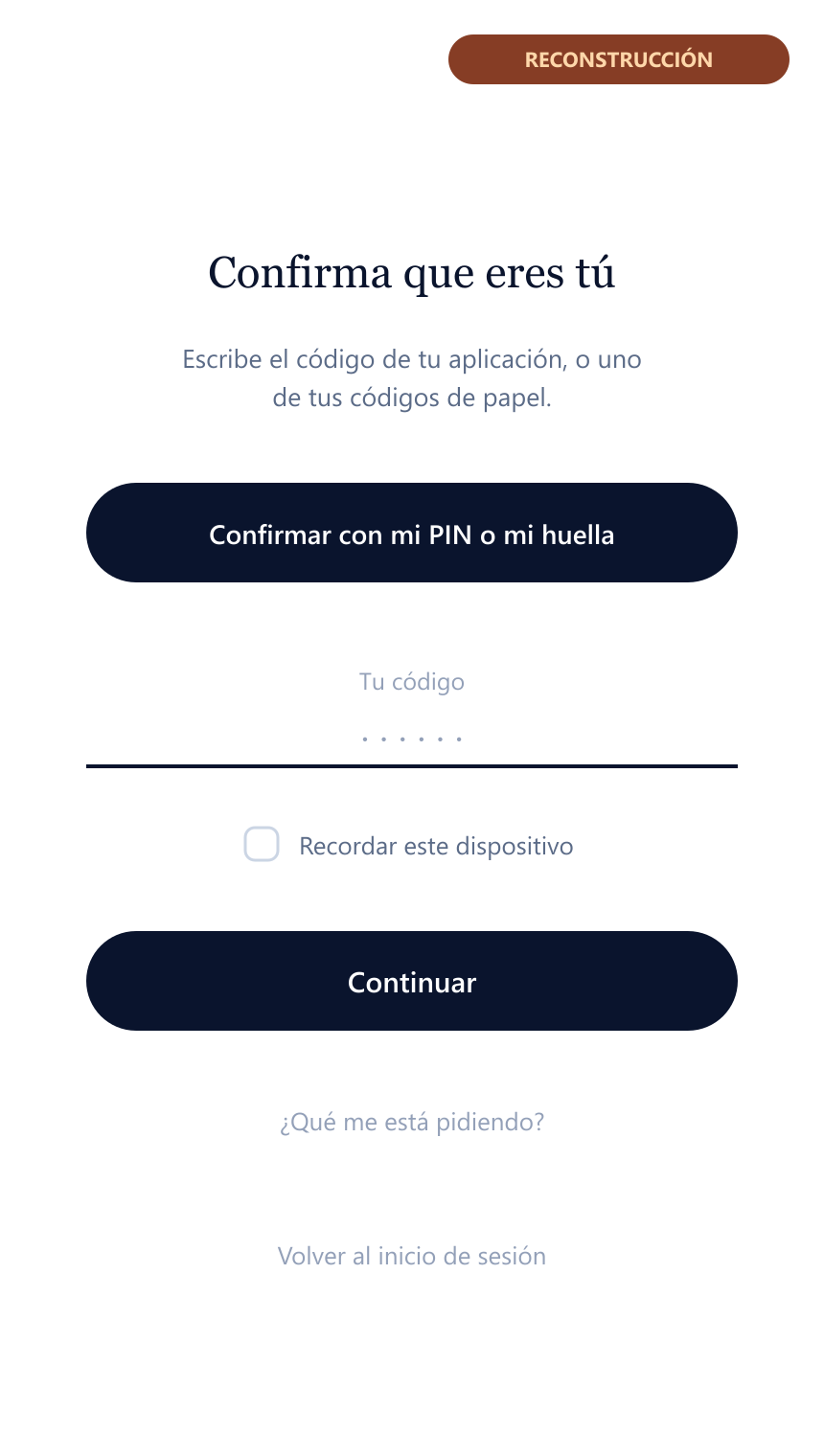
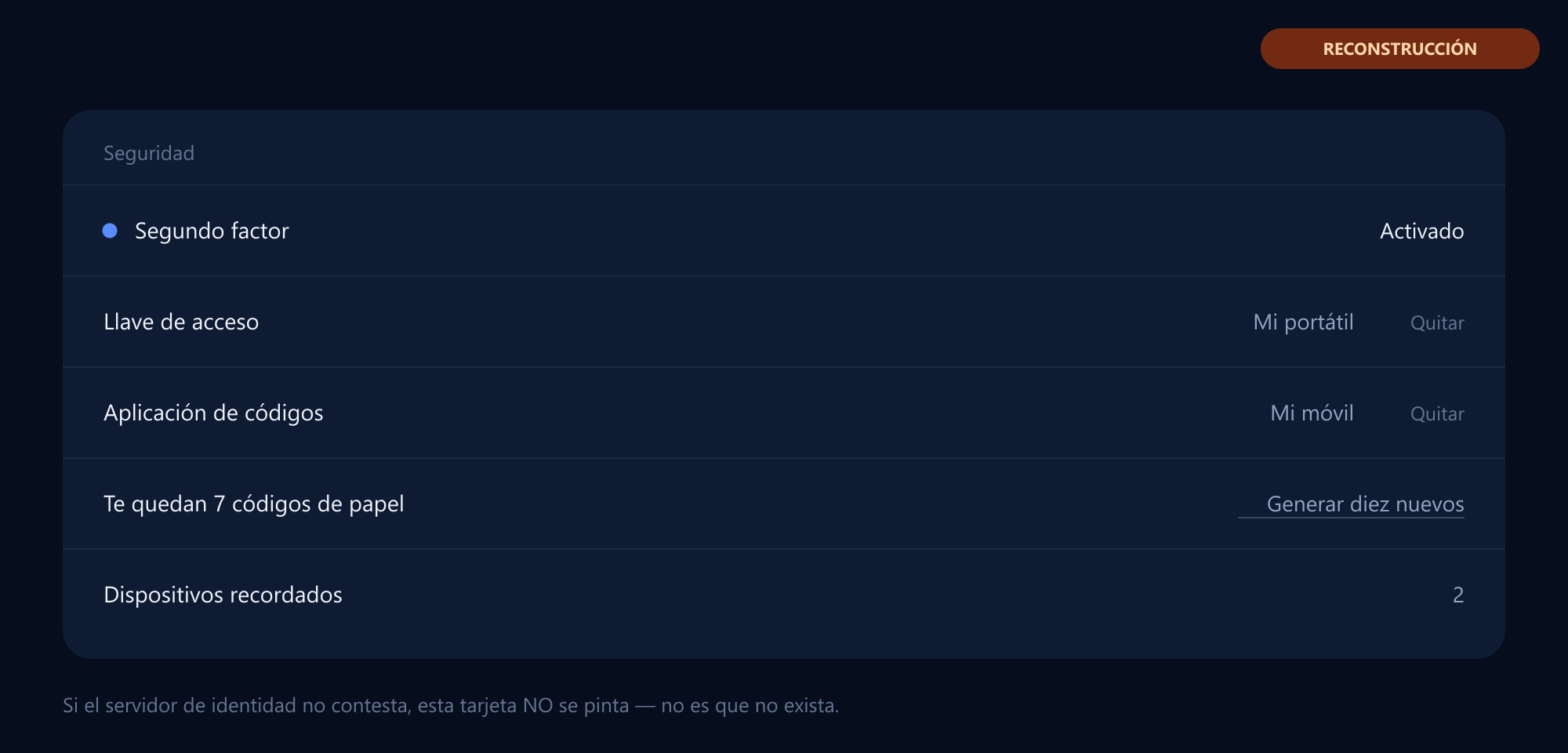
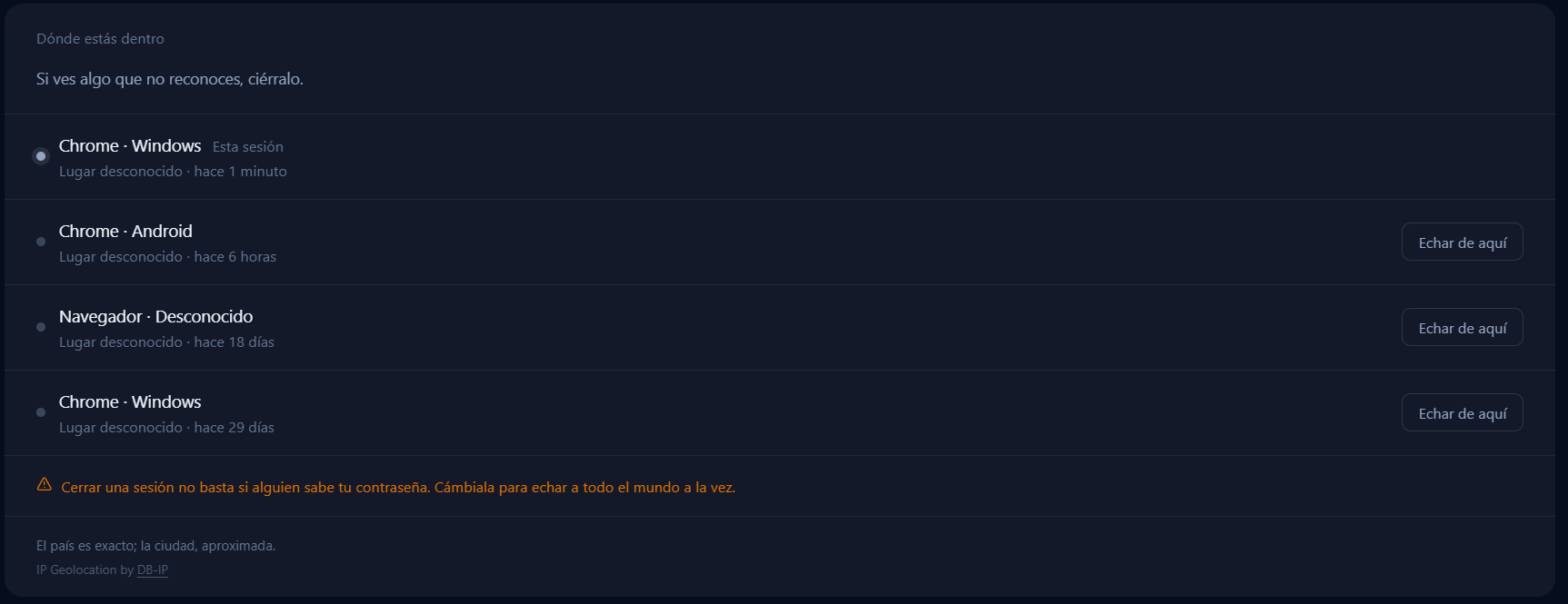
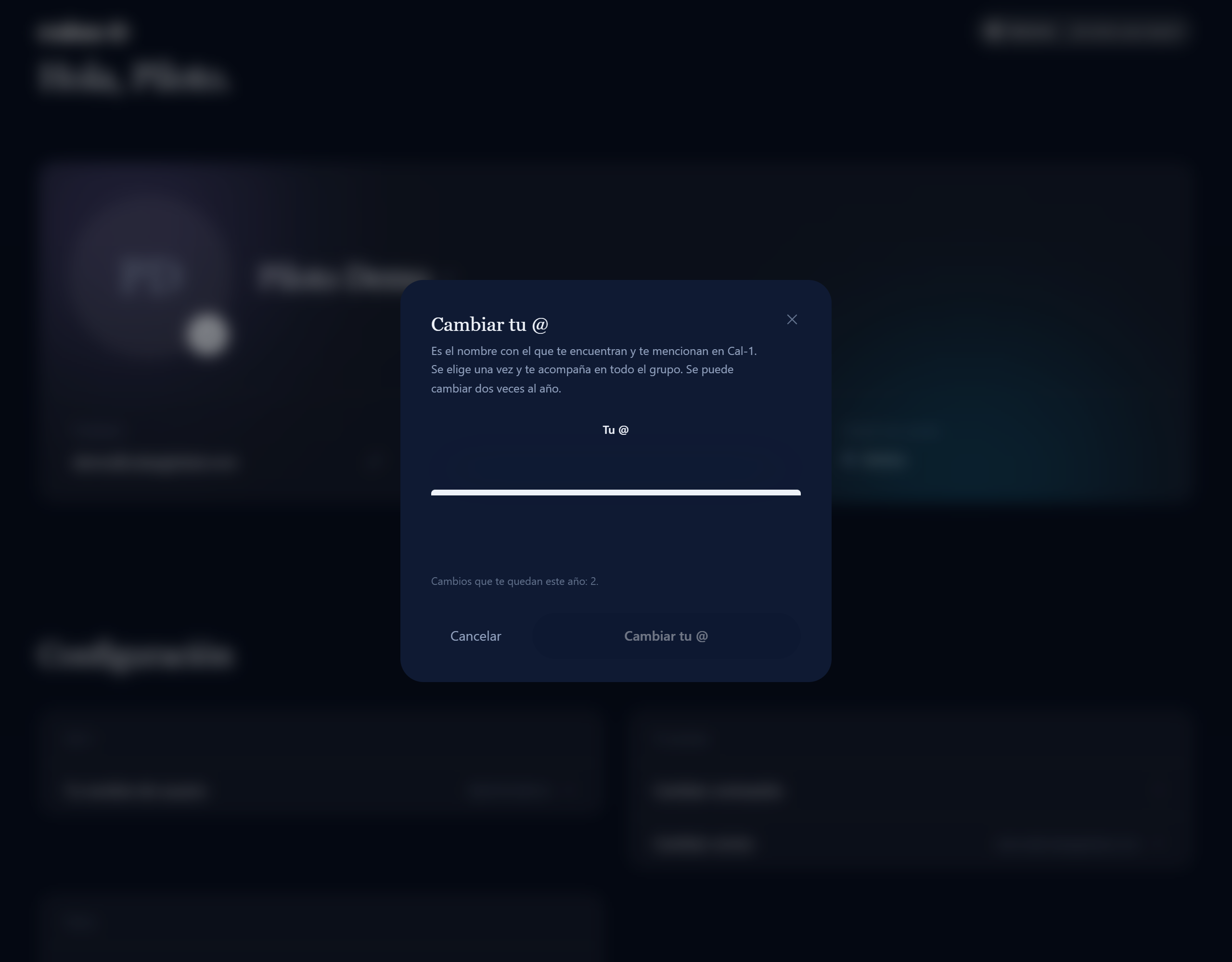
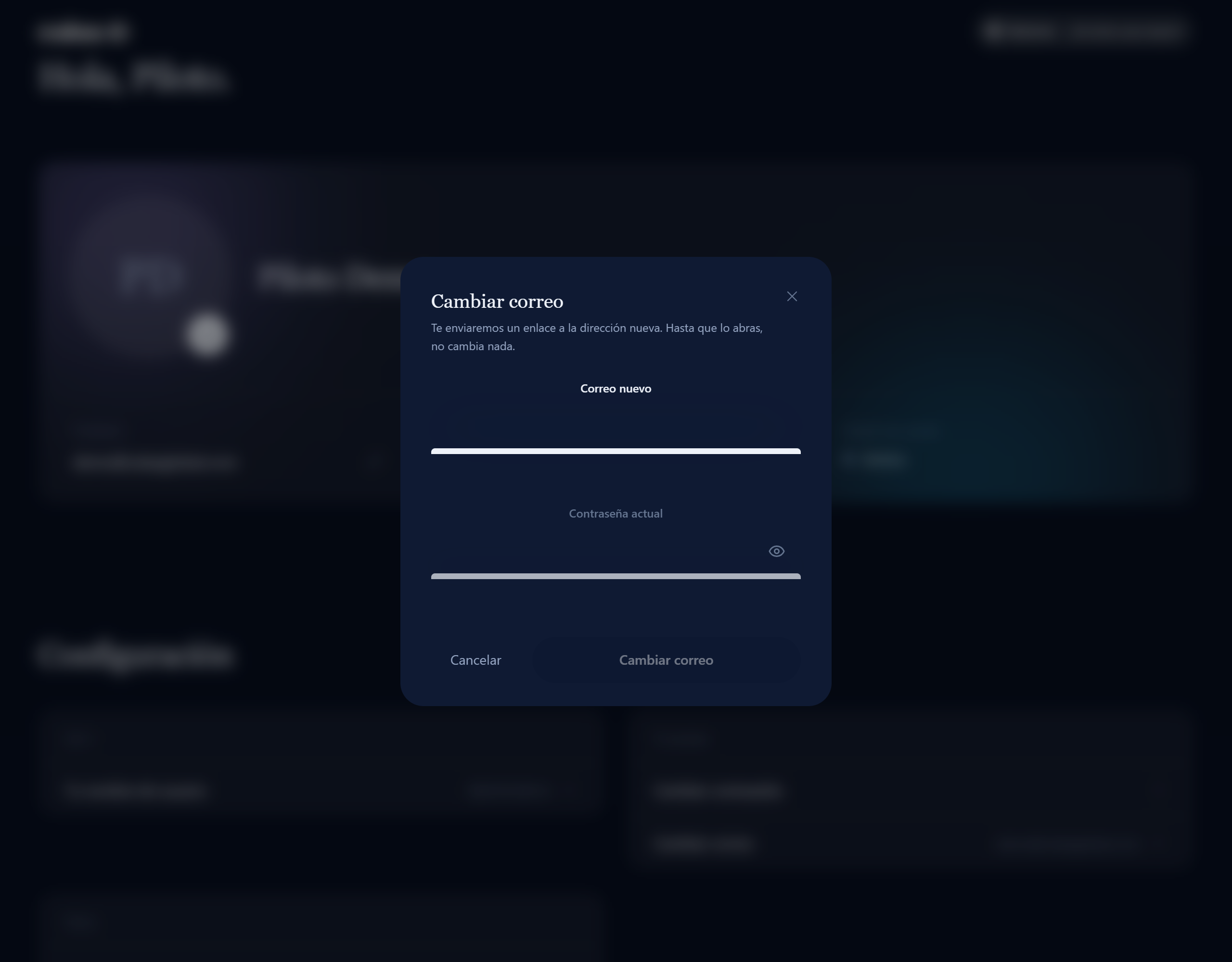
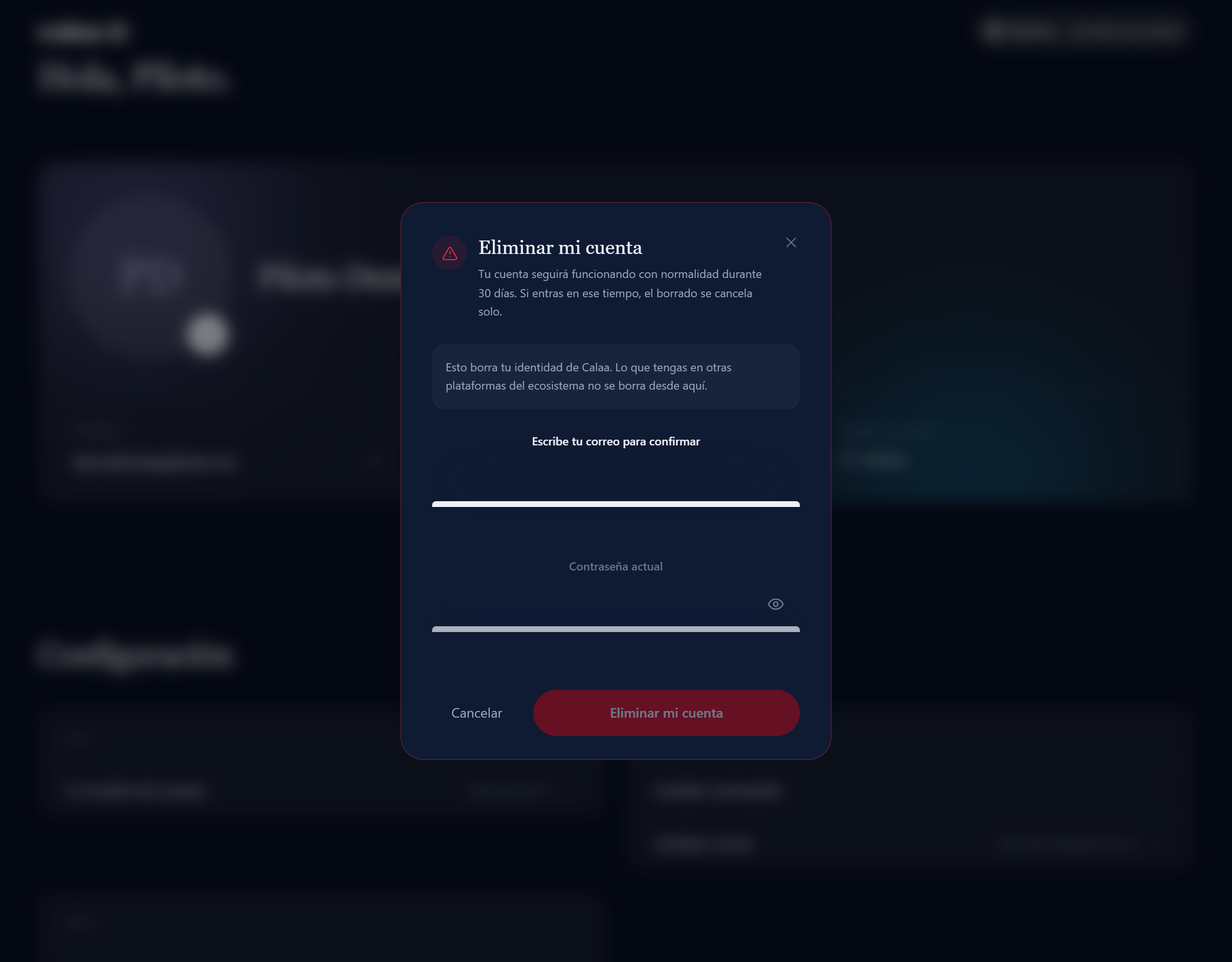
The holder governs their access from their own account. There are the verification factors, the recognised devices, the sessions open at any given moment and the definitive closing of the account.
An account with professional permissions in force keeps at least one verification factor. It is a condition of the account and it is maintained while those permissions are live.

03
What is not disclosed
Updated
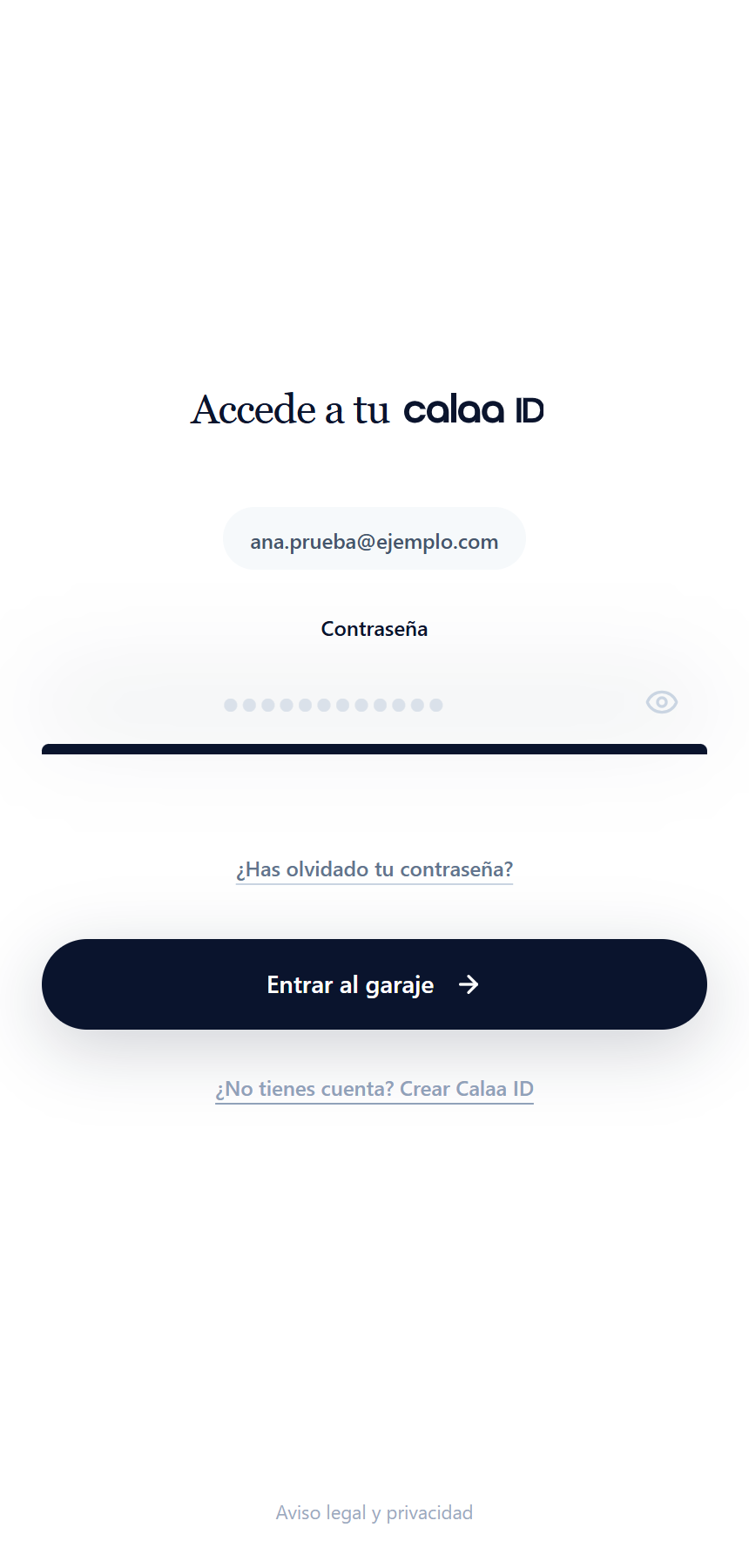
Calaa ID neither confirms nor denies whether an email address has an account. Opening and recovery answer alike whether or not it does.
It is a design decision and it reaches support as well. Knowing whether an address is registered is information about its holder.
04
Recovery
Updated
Recovery of access is resolved with the means the holder has in their account. The confirmed email address, their verification factors and their backup codes.
Cases that cannot be resolved by that route require documentary verification, and are handled in writing.